How to keep rodents out of your garage this winter
Rodents move into Fort Pierce garages when winter nights drop and food is close. Here are the entry points to seal, the traps that work, and when to call a pro.
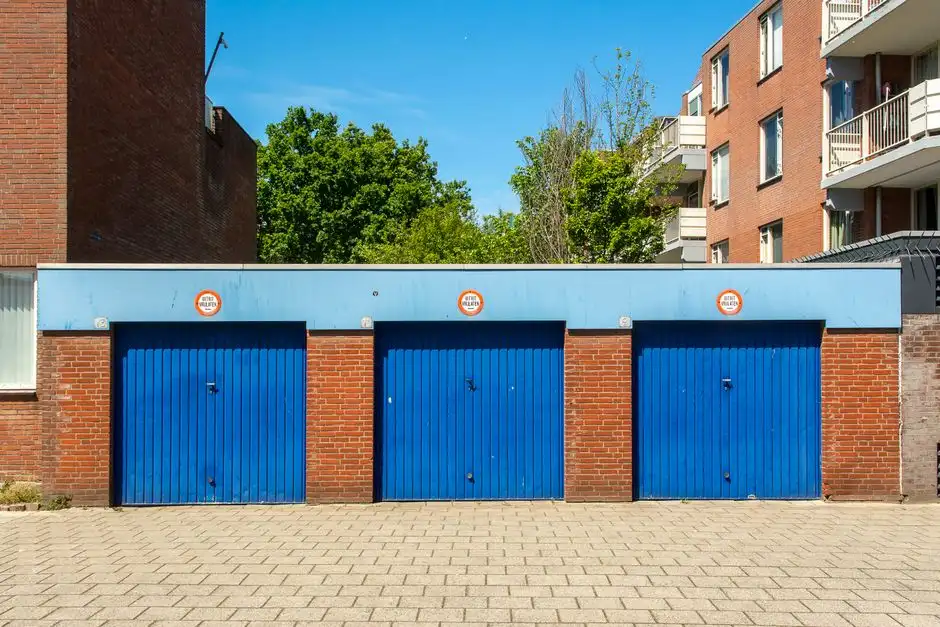
Rodents get into Fort Pierce garages in winter because the garage sits between the warm house and the cold yard, and it usually has at least one gap wider than a quarter inch. Seal every gap with hardware cloth or copper mesh, move stored food and birdseed into sealed bins, and set snap traps along the wall where you find droppings - that combination keeps most rats and mice out through the season. The rest of this post walks through the entry points we see most often in Fort Pierce, the materials that hold up to gnawing, and the point where a garage rodent problem stops being a weekend project.
Why rodents target Fort Pierce garages in winter
Winter in Fort Pierce is mild by national standards, but our overnight lows still drop into the 40s and 50s from December through February, and that is enough to push rats and mice toward shelter. A garage offers three things a rodent needs at once: cover from predators, warmth radiating off the house wall, and a steady supply of cardboard, grass seed, and pet food.
Fort Pierce sits on the Indian River Lagoon, and the combination of humidity, mature oaks, and older construction gives rodents plenty of routes into a neighborhood. Roof rats travel power lines and fence tops. Norway rats burrow under slabs and come in low. Mice squeeze through gaps you would not notice unless you were looking for them.
Once a rodent finds a garage, it does not stay in the garage. It follows pipes and wiring into the wall cavity, then into the attic or kitchen. That is why garage work is really whole-house work - and why we treat it that way. If you want the full picture of what a proper assessment looks like, our Rodent Inspection Fort Pierce FL service covers the garage, attic, crawl space, and exterior perimeter in one visit.
How do rodents get into a garage?
Rodents get into a garage through gaps at the door threshold, gaps around utility penetrations, and openings in the wall or roof line that were never sealed during construction. A mouse needs a gap the width of a pencil. A young rat needs a gap the width of a quarter.
These are the entry points we find on almost every Fort Pierce garage call:
- Garage door bottom seal - the rubber strip flattens over time and leaves a gap you can slide a finger under.
- Door corners and side jambs - especially on doors that have settled or been backed into.
- Utility penetrations - where AC lines, plumbing, and electrical conduit pass through the wall.
- Dryer vents and exhaust fans - the flapper often sticks open.
- Roof-to-wall junctions - roof rats run the eave line and drop into the garage from above.
- Foundation vents and weep holes - standard screens rust through in two or three seasons.
- Gaps under the service door - the door between the garage and the house is the most important one to seal.
Walk your garage with a flashlight at night while someone stands inside. Any light coming through is a gap a rodent can use.
Seal the garage like a rodent pro
Sealing a garage against rodents means using materials they cannot chew through, not spray foam alone. Steel wool rusts out in our humidity, and expanding foam is a speed bump, not a barrier - rats chew straight through it in a night.
Here is what holds up in Fort Pierce conditions:
- Copper mesh packed into gaps, then covered with a sealant. Copper does not rust and rodents will not chew it.
- Hardware cloth at 1/4-inch mesh over foundation vents, dryer vents, and any opening larger than a quarter.
- Heavy-duty door sweeps with a rigid backing, not the adhesive foam strips sold at big-box stores.
- Galvanized flashing at the base of exterior walls where rats have been burrowing.
- Rodent-resistant sealant around every pipe and conduit penetration.
Do not forget the attic access panel in the garage ceiling. If it lifts out with no gasket, a rat can push it up from the top of a shelf. We see this in a lot of homes built before 1990, particularly around Rodent Control in Downtown Fort Pierce where older block construction and detached garages are common.
If you would rather have the whole exterior sealed in one pass, our Rodent Exclusion Fort Pierce FL service covers every gap we can reach, from the garage door threshold to the roof line.
Cut off food, water, and nesting spots
Sealing alone will not hold if the garage still offers a buffet. Rodents are opportunistic - they will keep testing a sealed structure if there is a reason to come back.
Start with the obvious food sources:
- Birdseed, grass seed, and wild bird food - store in metal or heavy plastic bins with locking lids.
- Pet food - bring the bag inside or move it into a sealed container. A 40-pound bag of dog food left open is a three-month food supply for a rat family.
- Cardboard boxes - recycle them. Cardboard is bedding, not storage, as far as a mouse is concerned.
- Fallen fruit from citrus or fig trees - rake it up weekly during the season.
- Compost piles and open trash cans - keep them at least 20 feet from the garage wall.
Water matters too. A dripping hose bib or a puddle under the water heater gives rodents everything they need. Fix the drip.
For nesting, get everything off the floor. Shelving with a 12-inch gap underneath removes the dark, quiet corners mice prefer. Stacked boxes against the wall are the single most common nesting site we find in Fort Pierce garages.
Traps, bait, and what actually works
Snap traps set along the wall are the most reliable DIY tool for a garage, because rodents travel with their whiskers touching a vertical surface. Place traps perpendicular to the wall, trigger side against it, every 6 to 10 feet.
What works:
- Snap traps - classic wood or modern plastic, baited with peanut butter or a piece of slim jim. Check daily.
- Electronic traps - effective and clean, but you still need to check them every day.
- Glue boards - useful for monitoring, less useful as a primary control method in a garage with pets or children.
What usually does not work on its own:
- Ultrasonic repellers - rodents habituate to them within a week or two.
- Peppermint oil and dryer sheets - smell nice, do not stop a determined rat.
- Over-the-counter bait blocks - legal to buy, but placement matters and secondary poisoning of pets and owls is a real risk.
If you are dealing with rats rather than mice, the job is different. Rats are neophobic - they avoid new objects for days - so trap placement and pre-baiting matter. Our Rat Removal Fort Pierce FL service is built around that behavior, and it is usually a two-visit job rather than one.
Common mistakes that keep rodents coming back
The most common mistake is sealing the garage without dealing with the rodents already inside. If you close the last gap with a rat in the wall, you have just built it a private apartment.
Other mistakes we see on callbacks:
- Using spray foam as the only barrier. It buys you a week, not a season.
- Setting traps in the middle of the floor. Rodents hug walls. Traps in open space catch almost nothing.
- Ignoring the attic. A garage problem is often an attic problem you have not found yet.
- Leaving the garage door open at dusk. That is prime rodent movement time in Fort Pierce.
- Skipping cleanup. Rodent droppings and urine carry disease, and the pheromone trails left behind tell the next rat where to go.
If you have already had rodents in the garage for more than a couple of weeks, plan on a cleanup step. Our Rodent Cleanup Sanitization Fort Pierce FL service handles droppings, nesting material, and the pheromone trails that keep pulling new rodents in.
When to call a professional
Call a professional when you have seen a rodent during the day, when you find droppings in more than one room, or when you have sealed and trapped for two weeks and still hear scratching at night. Those three signs usually mean the infestation has moved past the garage.
We handle this every week in Fort Pierce. Our technicians find the entry points, remove the rodents that are already inside, seal the structure, and clean up what they left behind. If you have a rodent problem in a garage, attic, or crawl space, we can usually tell you what you are dealing with on the first visit.
Homeowners in the neighborhoods near the inlet often deal with roof rats coming off the oaks, and we see the same pattern in Rodent Control in South Beach where mature tree canopy and older homes make the garage an easy target. If you would rather not spend another weekend on it, our Garage Rodent Control Fort Pierce FL service is the fastest way to close the problem out.
Frequently Asked Questions
How much does garage rodent control cost in Fort Pierce?
Most Fort Pierce garage rodent jobs run $250 to $650 in 2026, depending on the size of the garage, how many entry points need sealing, and whether rodents have reached the attic. Full exclusion work on an older home can run higher. We quote the job before we start, so you know the number up front.
What is the best way to keep mice out of a garage in winter?
Seal every gap wider than a quarter inch with copper mesh or hardware cloth, store all food and seed in sealed bins, and set snap traps along the wall. Do all three - sealing alone will not stop mice that are already inside, and traps alone will not stop new ones from getting in.
Do ultrasonic pest repellers work on rats and mice?
Rarely for long. Rats and mice get used to the sound within one to two weeks and go back to normal activity. We have pulled plenty of them out of garages that had two or three repellers plugged in. Snap traps and exclusion work are far more reliable.
How long does it take to get rid of rodents in a garage?
Most garage infestations take 7 to 14 days to clear with daily trap checks, plus a follow-up visit to confirm activity has stopped. If rodents have moved into the attic or walls, plan on three to four weeks and a full exclusion pass.
Can rodents get into a garage with the door closed?
Yes. A closed garage door still leaves the bottom seal, side jambs, and any utility penetration as entry points. Mice need a gap the width of a pencil, and most garage doors have several gaps that size once the seal has aged a season or two.
Get help with Rodent Control in Fort Pierce
If you have heard scratching in the garage, found droppings on a shelf, or sealed every gap you can find and still have rodents, we can take it from here. Fort Pierce Rodent Control handles inspection, removal, exclusion, and cleanup across the city, and we can usually get to you the same week.
Call 123456789 to schedule a visit or to ask a question about your garage.