Droppings behind the prep line before inspection
We treat the kitchen, seal the entry points under doors and around pipe chases, and leave a written service record you can hand the inspector. Most restaurant accounts pass clean on the next visit.
Commercial Rodent Control Fort Pierce FL in Fort pierce is what you call when droppings show up behind the prep line, gnawed wires turn up in the stockroom, or a health inspector is due. We handle restaurants, warehouses, retail and offices across St. Lucie County with licensed, insured technicians who seal the building, trap the rodents and document every visit. Same-day business rodent control in Fort pierce is available when the problem cannot wait until Monday.
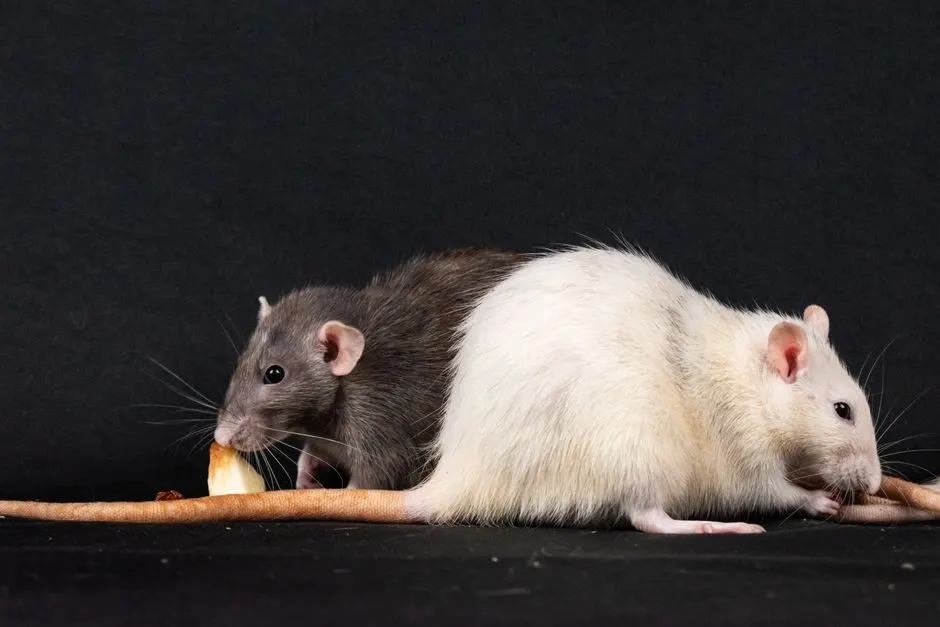
Commercial Rodent Control Fort Pierce FL in Fort pierce is a licensed inspection, trapping, exclusion and sanitation program built for businesses that cannot afford a rodent sighting on the floor. We start with a full walk of your building - kitchen, dish pit, dry storage, dumpster pad, attic, crawl space and utility chases - using inspection mirrors and flashlights to find droppings, rub marks, rodent urine odor and gnawed insulation. Then we set snap traps, live catch traps and locked bait stations where the rodents are actually traveling, not just where the problem is visible.
Fort pierce sits on the Indian River with warm, humid weather that keeps rats breeding year-round, and the older downtown building stock gives them plenty of gaps to work with. A restaurant on Seaway Drive or a warehouse off Orange Avenue can go from one mouse to a full-blown rat infestation in a few weeks. That is why so many owners search for commercial rodent control near Fort Pierce once they see the first dropping. We stop the entry, remove the population and clean up what they left behind.
Every commercial account gets the full inspection, treatment, exclusion and documentation package. Add-on services like attic insulation replacement or damage repair are quoted separately once we see the scope.
Interior and exterior walk of your building - kitchen, storage, attic, crawl space, roof line, dock doors and dumpster pad. We map entry points and travel lanes so the treatment plan targets the real problem.
Snap traps, live catch traps and locked bait stations placed on the runs we found. Bait blocks are contained in tamper-resistant stations and dated so you can see the service history at a glance.
Copper mesh, steel wool, hardware cloth, caulk, foam sealant and sheet metal applied at every gap we identified. This is the work that keeps rodents from walking back in through the same hole.
Droppings, urine and nesting material removed and surfaces sanitized. In food-handling areas this closes the salmonella and hantavirus risk that inspectors look for.
After each visit you get a report with trap counts, station checks, new activity, materials used and work completed. It is the documentation you hand an inspector, an auditor or your insurance carrier.
Weekly, biweekly or monthly service based on your building and pressure. We adjust the schedule as counts drop, so you are not paying for heavy service once the problem is under control.
You call, we ask what you are seeing, where, and when. Droppings in the kitchen? Noise in the ceiling at night? A dead rodent smell in the stockroom? That tells us what to load on the truck. We book a same-day or next-morning inspection slot and confirm the address.
A licensed technician walks the property inside and out - 60 to 90 minutes on most commercial buildings. We check the dumpster pad, roof line, utility penetrations, dock doors, attic and crawl space with inspection mirrors and flashlights, then mark every entry point and travel lane on a site map.
We set snap traps, live catch traps and locked bait stations along the runs we found. Bait blocks go inside tamper-resistant Bell Laboratories and JT Eaton stations, never loose. Traps are placed out of customer sight and dated so you can see exactly when each one was serviced.
Once the population is knocked down, we seal the building. Steel wool and copper mesh in gaps, caulk and foam sealant around pipes, hardware cloth over vents, sheet metal on chewed door corners. This is the step that keeps rodents from walking back in through the same hole next month.
We come back on a set schedule - weekly, biweekly or monthly depending on your building and pressure. Each visit we check every station, replace what is spent, note new activity and leave a written report. If counts stay at zero for two cycles, we move you to a lighter preventive schedule.
Purpose-built equipment, used by trained technicians — so the job is done accurately the first time.
Placed on the actual travel runs we found during inspection. Snap traps handle interior populations fast; live catch traps go where a customer or staff member might see the trap.
Tamper-resistant Bell Laboratories and JT Eaton stations hold Contrac and FirstStrike bait blocks. Required in food-handling facilities and safer around staff and customers.
Used to check voids, pipe chases, ceiling spaces and behind equipment where rodents nest. This is how we find the problem the last company missed.
Copper mesh, steel wool, hardware cloth, caulk, foam sealant and sheet metal. Applied at every gap we identified to close the building for good.
Worn during cleanup and sanitation work to protect technicians from hantavirus risk and salmonella exposure in contaminated areas.
Used in wall voids and enclosed spaces to confirm rodent activity where traps or visual inspection cannot reach.
A Downtown Fort Pierce restaurant had droppings behind the prep line, gnawed cardboard in dry storage and a health inspection in nine days. The owner had tried store-bought traps with no result.
We inspected the full building, sealed six entry points with copper mesh and sheet metal, set locked bait stations and snap traps, and sanitized the affected areas. The restaurant passed inspection clean and trap counts hit zero by week three.
A Fort Pierce North warehouse had rats chewing wiring on forklift chargers and getting into palletized product. Trap counts hit 14 in the first week of service.
We trapped hard for two weeks, sealed the dock doors and wall penetrations with hardware cloth, and set monitoring stations along the interior walls. Counts dropped to zero by week four with no further product loss.
A Hutchinson Island property manager had a dead rodent smell in one unit during peak season. Guests were complaining and the unit could not be rented.
Emergency dispatch located the carcass in the wall void, removed it, treated the space and checked the other five units for activity. Odor cleared within 24 hours and the unit was back in rotation.
These are the calls we get most often from Fort pierce business owners. Each one has a specific fix, and most are resolved within the first two service visits.
Ask a pro →We treat the kitchen, seal the entry points under doors and around pipe chases, and leave a written service record you can hand the inspector. Most restaurant accounts pass clean on the next visit.
We knock down the population with trapping and baiting, then seal the dock doors, utility penetrations and wall gaps with hardware cloth and sheet metal so the damage cycle stops.
We locate the carcass with inspection mirrors and flashlights, remove it, treat the void and check the rest of the building for additional activity. Most odors clear within 24 to 48 hours.
Attic rodent removal clears the space, exclusion seals the roof line and vents, and we replace contaminated insulation where needed. Monitoring stations stay in place afterward.
You get rid of rodents in a Fort Pierce business by combining inspection, trapping, exclusion and sanitation - not one alone. We find the entry points and travel lanes, knock down the population with snap traps and locked bait stations, seal the building with copper mesh and hardware cloth, then sanitize the droppings and damaged insulation. Most commercial accounts see activity drop sharply within the first two weeks and reach zero counts within 30 to 45 days.
Most Fort pierce commercial accounts run $250 to $650 for the initial service and $95 to $275 per follow-up visit in 2026, depending on square footage, building condition and how many entry points need sealing. Restaurants and food service facilities with heavy pressure sit at the higher end. We quote a flat initial price before we start, so you know the number before a technician loads the truck.
The best business rodent control near you in Fort pierce is the company that seals your building, documents every visit and comes back on schedule. Look for a Florida Pest Control License, a Certified Pest Control Operator on staff and a written service report after each visit. We have run commercial programs in St. Lucie County since 2015 and leave trap maps and material labels on site so you can verify the work.
Yes. Rodents in Fort pierce commercial buildings spread salmonella through droppings and urine on food-contact surfaces, carry hantavirus risk in enclosed spaces, and gnaw wiring that starts fires. A single rat can produce 40 to 50 droppings a day. In food service, one confirmed rodent sighting can cost you an inspection score, a re-inspection fee and lost customers. Removal plus sanitation is the only way to close the risk.
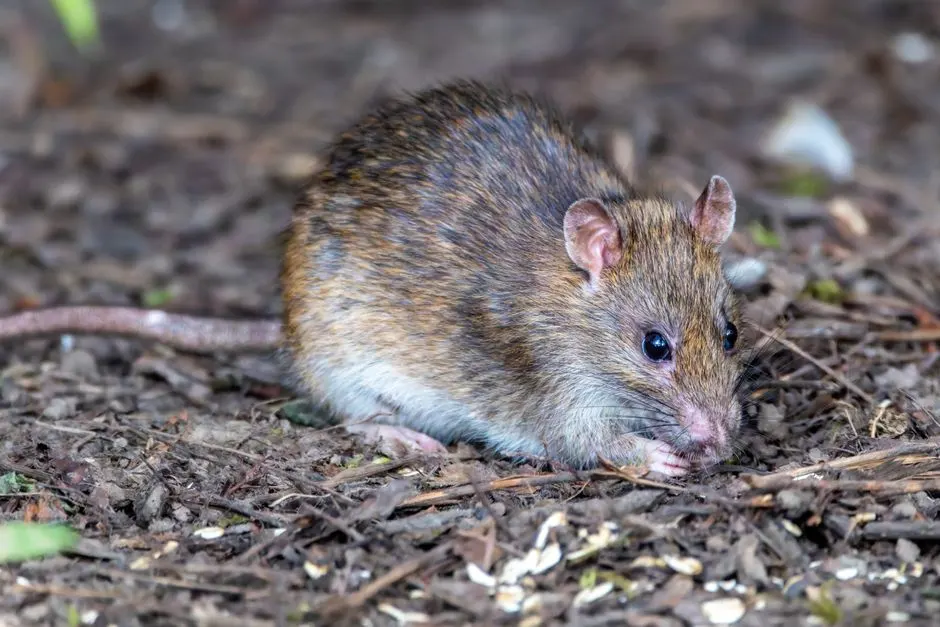 Rat Removal Fort Pierce FLNorway and roof rats are the two species we pull out of Fort pierce commercial buildings most often. Rat removal handles the active population; the commercial program keeps them from coming back through the same dock door gap.Explore →
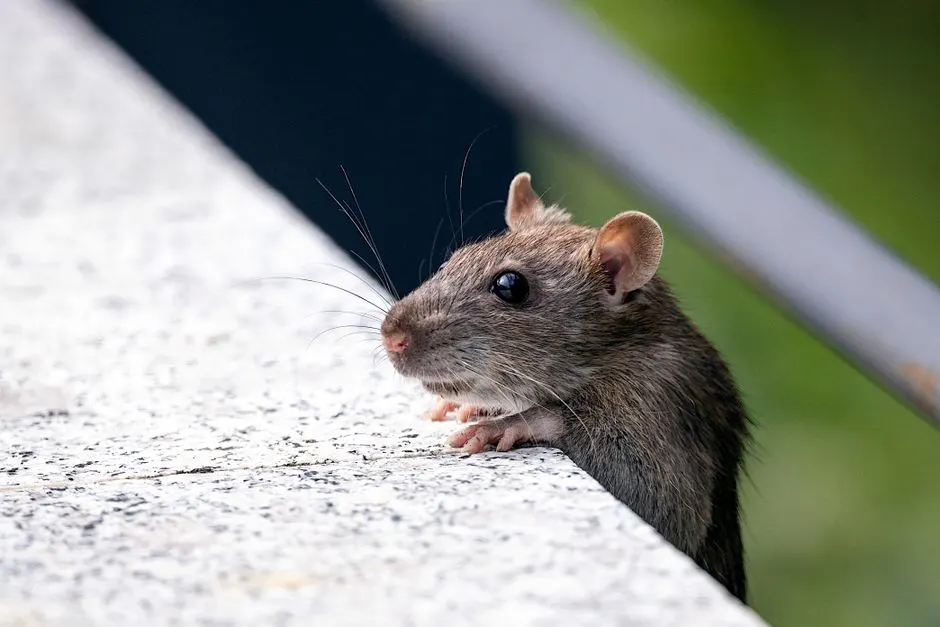 Mouse Control Fort Pierce FLHouse mice slip through gaps the width of a pencil and breed fast in dry storage. Mouse control pairs with our commercial rodent program to knock down interior populations before they reach the packaging line.Explore →
 Rodent Inspection Fort Pierce FLEvery commercial program starts with a full inspection. We map entry points, travel lanes and nesting sites across your building so the treatment plan targets the actual problem, not a guess.Explore →
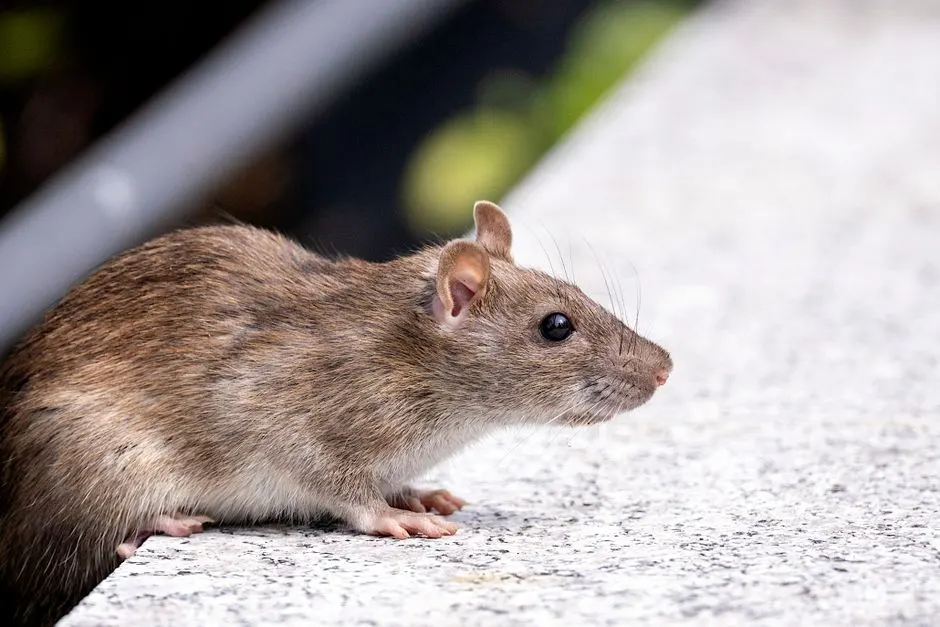 Rodent Exclusion Fort Pierce FLExclusion is the sealing work that keeps rodents out for good - copper mesh, hardware cloth, sheet metal and foam sealant at every gap we find. It is the step that turns a recurring trap bill into a closed building.Explore →
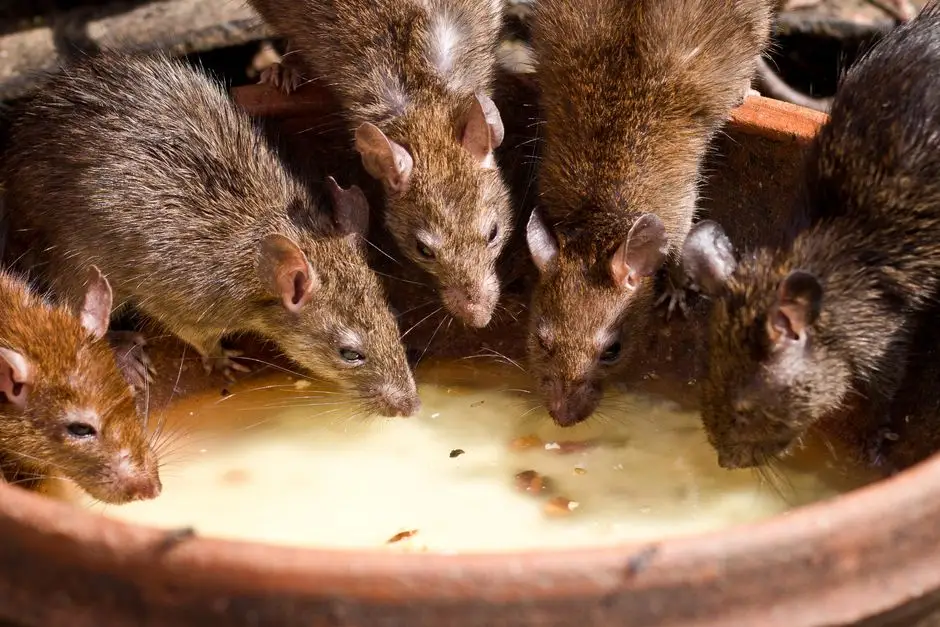 Rodent Proofing Fort Pierce FLProofing covers doors, vents, utility penetrations and roof lines. For Fort pierce warehouses and restaurants, proofing is what keeps a new rat population from walking in the week after we clear the old one.Explore →
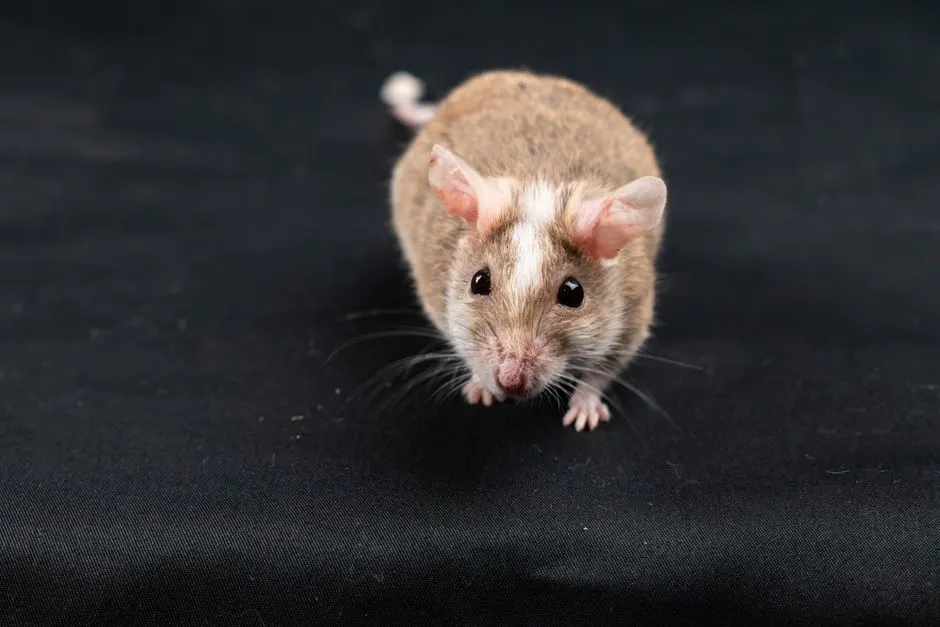 Attic Rodent Removal Fort Pierce FLRodents in the attic chew insulation, leave droppings in the soffit and create odor that drifts into the sales floor. Attic rodent removal clears the space and lets us seal the roof line before the next generation moves in.Explore →Crawl Space Rodent Control Fort Pierce FLFort pierce's humidity makes crawl spaces a rodent highway. We treat the space, remove contaminated debris and seal the foundation vents and pipe penetrations that let rats in from the yard.Explore →
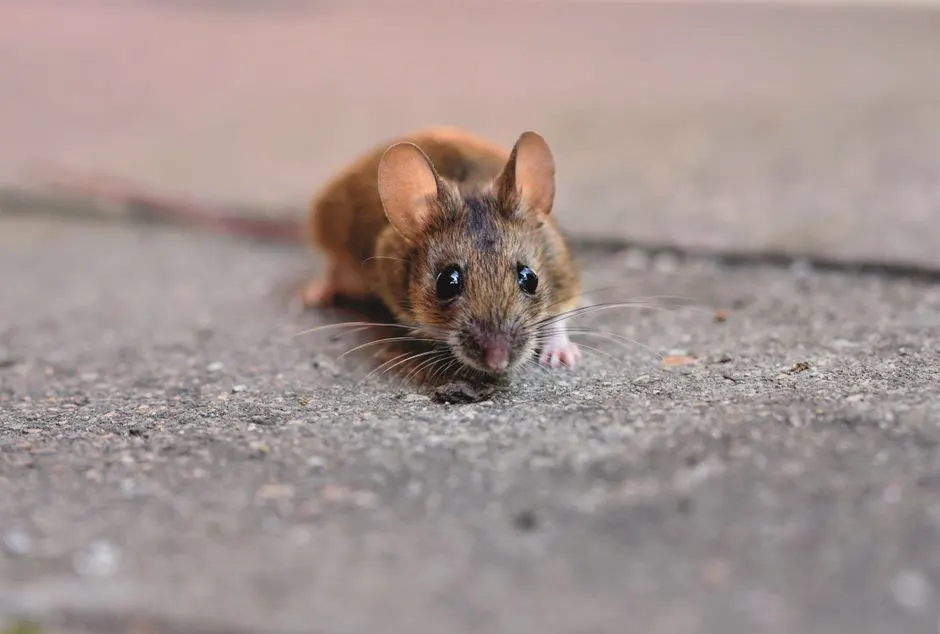 Garage Rodent Control Fort Pierce FLGarages attached to commercial buildings are common entry points. We treat the space, seal the door corners and set monitoring stations so rodents do not use the garage as a staging area.Explore →
Licensed, insured and running commercial rodent programs in St. Lucie County since 2015. Call now and we will book your inspection, quote a flat price and get a technician to your building - often the same day.
Book Inspection 123456789 →Call us any time, day or night, and a real person will pick up. We book same-day appointments across Fort Pierce and St. Lucie County when you call before noon, and our emergency line stays open 24/7 for active rodent problems. If you prefer email, send us the details and we will get back to you the same business day.