How to rodent-proof your crawl space in Fort Pierce
Rats and mice enter Fort Pierce crawl spaces through gaps as small as a quarter. Here's how to seal, secure, and maintain yours year-round.
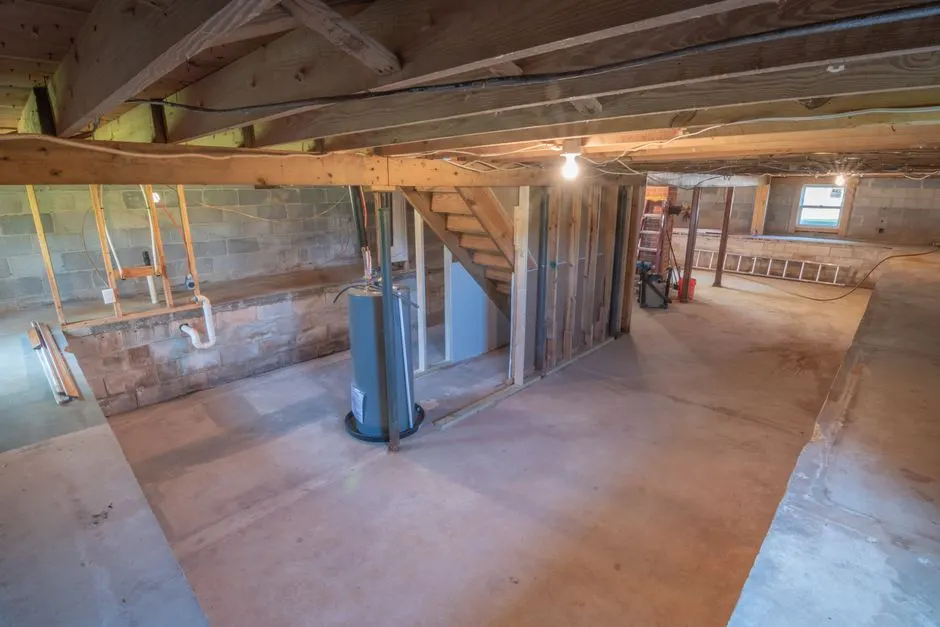
You rodent-proof a Fort Pierce crawl space by sealing every gap wider than a quarter-inch, installing corrosion-resistant mesh over vents and penetrations, and keeping the soil beneath the vapor barrier dry. Rats and mice squeeze through openings the size of a quarter, and Fort Pierce's sandy soil and humid climate make crawl spaces the easiest entry point on most homes. This guide walks through the exact materials, sealing sequence, and maintenance schedule we use on crawl spaces from Downtown Fort Pierce to South Beach.
Why Fort Pierce crawl spaces attract rodents
Fort Pierce crawl spaces attract rodents because they combine three things rats and mice need: warmth, moisture, and a short distance to food. The average low in January here is 53°F, so a crawl space never gets cold enough to drive rodents out. Add sandy soil that drains poorly after summer storms, and you have a year-round shelter.
Homes built before 1980 - a large share of the housing stock in Downtown Fort Pierce and Lincoln Park - often have pier-and-beam foundations with original vent screens that have rusted through. We find active rodent runs in roughly seven out of ten crawl spaces we inspect in those neighborhoods.
Rodent Control Fort Pierce FL is the work of keeping rats and mice out of the spaces under and inside your home. In a crawl space, that means blocking entry, removing the rodents already there, and sanitizing what they left behind.
How do rodents get into a crawl space?
Rodents get into a Fort Pierce crawl space through foundation vents, plumbing and electrical penetrations, dryer vents, and gaps where the sill plate meets the foundation. A mouse needs a gap the width of a pencil; a rat needs one the width of a quarter.
The five entry points we find most often:
- Foundation vents with torn or missing 1/4-inch hardware cloth
- Plumbing penetrations where copper or PVC pipe passes through the foundation wall
- Sill plate gaps where the wood frame meets the concrete - common in older pier-and-beam homes
- Dryer and HVAC vents with flimsy plastic louvers that rodents push open
- Utility chases and cable holes drilled through rim joists
Once inside, rodents follow the same paths every night. You will see greasy rub marks along joists and droppings near the water heater or HVAC air handler. If you are also hearing scratching overhead, the problem has likely moved into the attic - our team handles Attic Rodent Removal Fort Pierce FL with the same exclusion approach.
Step-by-step crawl space rodent-proofing
Rodent-proofing a crawl space in Fort Pierce follows a fixed sequence: inspect, remove, seal, and verify. Skipping the inspection step is why most DIY attempts fail - you seal the gap you can see and miss the four you cannot.
1. Inspect the entire perimeter and interior
Crawl the full perimeter with a bright light. Look for daylight, rub marks, droppings, and nesting material. Check the sill plate, every pipe penetration, and the corners where two foundation walls meet. A professional Rodent Inspection Fort Pierce FL uses a moisture meter and borescope to find gaps hidden behind insulation.
2. Remove rodents and contaminated material
Trapping comes before sealing. If you seal rodents inside, they die in the walls and the odor can last weeks. We set snap traps and bait stations along the runways, then remove soiled insulation and droppings. Rodent waste carries pathogens, so wear an N95 mask and gloves, and bag everything in sealed plastic.
3. Seal every gap wider than a quarter-inch
Work from the outside in. Patch foundation cracks with hydraulic cement. Pack plumbing and electrical penetrations with copper mesh, then cover with a bead of sealant. Replace torn vent screens with 1/4-inch galvanized hardware cloth - not chicken wire, which rodents chew through.
4. Address the vapor barrier and soil
A torn vapor barrier lets soil moisture rise, and damp wood is easier for rodents to gnaw. Repair or replace the 6-mil polyethylene barrier and lap seams at least 12 inches. In crawl spaces with standing water after heavy rain, we recommend a sump or French drain before sealing.
5. Verify and monitor
After sealing, place monitoring stations near the old entry points. Check them every two weeks for the first month. If you find new droppings, you missed a gap. Our Rodent Monitoring Fort Pierce FL service includes quarterly checks for the first year.
Materials that work in Florida's humidity
Florida's humidity destroys cheap exclusion materials within a year. Galvanized steel and copper hold up; plastic foam and untreated wood do not.
- 1/4-inch galvanized hardware cloth - for vents, weep holes, and large gaps
- Copper mesh - for irregular gaps around pipes and cables; rodents cannot chew it
- Hydraulic cement - for foundation cracks and mortar joints
- Exterior-grade sealant - polyurethane or silicone, rated for masonry and wood
- 6-mil or thicker polyethylene - for vapor barrier repair
Avoid expanding spray foam alone. Rodents chew through it in weeks. Foam works as a backing material behind copper mesh, never as the primary barrier.
Common mistakes to avoid
The most common mistake is sealing before trapping - you trap rodents inside the structure and create an odor problem that costs more to fix than the original exclusion. Other mistakes we see on almost every DIY job:
- Using chicken wire or plastic mesh instead of galvanized hardware cloth
- Leaving the crawl space access door unsealed - a 24-inch by 24-inch hatch is a front door for rats
- Ignoring the attic. Rodents travel up the wall cavities from the crawl space; sealing only the foundation leaves the upper entry open
- Storing cardboard boxes, old furniture, or firewood in the crawl space - all are nesting material
- Skipping the vapor barrier. Damp crawl spaces attract rodents and termites
One more: do not use poison bait inside a crawl space if pets or children have any access. Secondary poisoning is a real risk. Our Rodent Baiting Fort Pierce FL service uses tamper-resistant stations placed only where pets cannot reach them.
When to call a professional
Call a professional when you find droppings in more than two rooms, hear scratching at night, or smell a persistent musty odor that does not go away after ventilation. Those signs mean rodents are established, not just passing through.
We handle the full job - inspection, trapping, exclusion, sanitation, and damage repair - so you are not coordinating three contractors. Our team also works with homeowners across South Beach Rodent Control and the Peacock Arts District, where older homes and new construction share the same sandy soil and the same rodent pressure.
If you are dealing with an active infestation, start with Rat Removal Fort Pierce FL or our Mouse Control Fort Pierce FL service. Both include a full crawl space inspection and a written exclusion plan.
How much does crawl space rodent-proofing cost in Fort Pierce?
Typical 2026 pricing in Fort Pierce runs $450 to $1,200 for crawl space exclusion on a single-family home, depending on square footage and the number of entry points. Trapping and removal adds $250 to $600. Vapor barrier replacement runs $1.50 to $3.00 per square foot installed.
Most jobs take one day for exclusion and two to three days if insulation removal or vapor barrier replacement is needed. We provide a flat quote after the inspection, so you know the total before we start.
Frequently Asked Questions
How do I know if rodents are in my crawl space?
Look for droppings near the water heater, greasy rub marks along joists, and shredded insulation or cardboard. At night, listen for scratching or scurrying. A musty odor that does not clear with ventilation usually means an active infestation.
What is the best material to seal crawl space vents?
Use 1/4-inch galvanized hardware cloth, fastened with screws and washers. It resists rust in Florida humidity and rodents cannot chew through it. Replace plastic or aluminum screens, which tear within a season or two.
Can I rodent-proof my crawl space myself?
You can seal visible gaps, but most crawl spaces have hidden entry points behind insulation or under the sill plate. DIY exclusion often misses those, and the rodents return within weeks. A professional inspection finds every gap before sealing.
How long does crawl space rodent-proofing last?
Proper exclusion with galvanized and copper materials lasts 8 to 12 years in Fort Pierce. We recommend an annual inspection to check for new gaps from settling, storm damage, or plumbing work.
Do I need to remove insulation after a rodent infestation?
Yes, if insulation is soiled with droppings or urine. Rodent waste carries pathogens and the odor will persist. We remove contaminated material, sanitize the space, and install new insulation rated for crawl space use.
Get help with Rodent Control in Fort Pierce
If you have heard scratching under the floor or found droppings in the crawl space, we can inspect, trap, seal, and sanitize in one visit. Call Fort Pierce Rodent Control at 123456789 to schedule your crawl space inspection.