How to Tell If Mice Are in Your Walls or Ceiling
Scratching at 2 a.m.? Here are the seven signs mice are living in your Fort Pierce walls or ceiling - and what to do about it before they chew wiring.
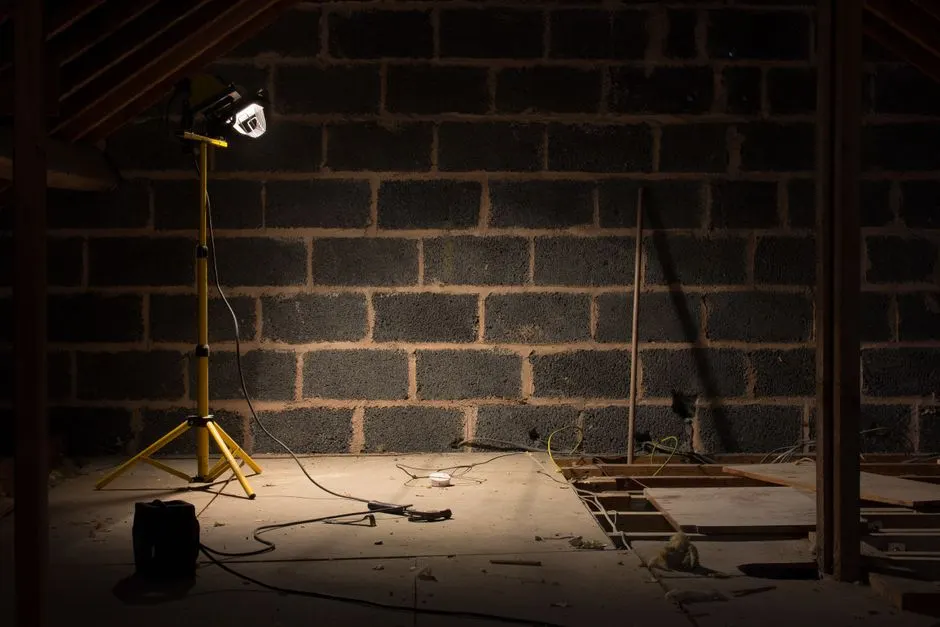
If you hear scratching, skittering, or a light thumping inside your walls or above your ceiling - especially between 10 p.m. and 3 a.m. - you almost certainly have mice living in the wall voids or the attic space above your ceiling. Mice in walls are one of the most common rodent problems we handle in Fort Pierce, and the pattern is predictable: soft scratching in the evening, droppings along baseboards by morning, and a faint ammonia smell that gets stronger over about two weeks.
Below we break down exactly what to listen for, the seven signs that confirm it, why Fort Pierce homes are so vulnerable, and when it's time to stop guessing and call someone.
What Mice in Your Walls Actually Sound Like
Mice in walls sound like light, rapid scratching or skittering - think fingernails on drywall, not heavy thuds. A single mouse weighs about 0.5 to 1 ounce, so it can't make a loud noise. What you'll hear is a series of quick, soft taps as tiny claws grip the inside of the wall cavity, usually followed by a pause, then more scratching as it moves toward a food source.
Timing matters. Mice are nocturnal and crepuscular, meaning they're most active from dusk to about 3 a.m. and again just before sunrise. If the noise is loud, heavy, and happens during the day, you're probably dealing with a rat, squirrel, or raccoon - not a mouse. That distinction changes the removal method, the cost, and the safety risk, so it's worth getting right.
Location matters too. Scratching directly above your head at night usually means the attic. Scratching low in the wall, near an outlet or under a kitchen cabinet, usually means mice are traveling the wall void between the studs. Both are common in Fort Pierce, and both get worse fast - a single pair of house mice can produce 5 to 10 litters per year, with 5 to 6 pups per litter.
The Seven Signs Mice Are Living in Your Walls or Ceiling
You don't need to see a mouse to know it's there. These seven signs, in order of how often we confirm them in Fort Pierce homes, tell you what's going on behind the drywall.
- Nocturnal scratching or skittering in the wall cavity or above the ceiling, strongest between 10 p.m. and 3 a.m.
- Droppings - dark, rice-grain-sized pellets, about 3 to 6 mm long, along baseboards, inside kitchen drawers, on top of water heater closets, and in the garage.
- A musky, ammonia-like odor that builds over 10 to 14 days and gets stronger in humid weather.
- Grease rub marks - dark smudges along wall edges, pipes, and the top plate of interior walls where mice squeeze through repeatedly.
- Chewed materials - shredded insulation, torn cardboard, chewed paper, and gnaw marks on PVC pipes, wiring, and the paper facing on drywall.
- Nesting material - small piles of shredded fabric, insulation, grass, or paper tucked into wall voids, attic corners, or behind appliances.
- Live sightings or pets behaving oddly - your cat or dog staring at a wall, pawing at a baseboard, or refusing to go into a room.
If you're seeing two or more of these, you're past the "maybe" stage. A proper Rodent Inspection Fort Pierce FL will confirm the species, find the entry points, and map the travel routes - usually in under an hour.
Why Fort Pierce Homes Get Wall Mice More Than You'd Think
Fort Pierce sits in a subtropical climate with warm, humid air year-round, and that means mice here don't follow the same seasonal pattern as mice up north. There's no hard winter die-off. Breeding slows slightly in the cooler months but never stops, and the population pressure stays high from March through November.
Three local factors make wall infestations worse here:
- Older housing stock. A lot of homes in Downtown Fort Pierce were built before 1970, with pier-and-beam construction, original vent screens, and plumbing penetrations that were never sealed. A 1/4-inch gap is all a mouse needs.
- Humidity and attic heat. Attic temperatures in Fort Pierce routinely hit 130°F to 140°F in July and August. Mice move down into wall voids and crawl spaces to escape the heat, which is why summer calls spike.
- Proximity to water and food. Homes near the Indian River, the inlet, and the agricultural edges of St. Lucie County see more rodent traffic. So do neighborhoods with mature palms, ficus hedges, and heavy ground cover.
We also see a lot of activity in the South Beach area, where older beach cottages and newer builds sit side by side and share the same utility easements. Once mice establish a route along a shared fence line or a common plumbing trench, they move between properties freely.
How to Confirm It's Mice and Not Something Else
Before you buy traps, confirm what you're dealing with. The wrong assumption wastes money and can be dangerous - rats, squirrels, and raccoons all require different handling, and some carry diseases or cause structural damage that mice don't.
Quick field test
Put on gloves and a mask. Look for droppings with a flashlight at the base of walls, inside the water heater closet, on top of the AC air handler, and along the attic access. Mouse droppings are pointed at both ends and about the size of a grain of rice. Rat droppings are larger and blunt-ended. Squirrel droppings look like small, dark, oblong pellets and are usually found in clusters near attic vents.
Sound test
Tap the wall lightly with a screwdriver handle in the area where you hear noise. Mice will usually go silent for 10 to 30 seconds, then resume scratching. Squirrels often bolt and create a much louder, faster scramble.
Smell test
A single mouse produces a faint, musky odor. A dead mouse in a wall produces a sharp, rotting smell that peaks around day 3 to day 7 and fades over 2 to 3 weeks. If you smell that, you're dealing with a carcass, not a live infestation - and you'll want Dead Rodent Odor Removal Fort Pierce FL rather than traps.
Common Mistakes Homeowners Make With Wall Mice
The biggest mistake is sealing the entry points before removing the mice. If you close the hole while mice are still inside, they'll chew a new one - often into the living space - and you'll end up with mice in your kitchen instead of your wall.
Other mistakes we see constantly:
- Using poison bait inside the wall void. The mouse dies inside the wall, and you're left with a smell that can last three weeks and cost several hundred dollars to remediate. Bait belongs outside, in tamper-resistant stations, placed by someone who knows where the runways are.
- Setting snap traps with the wrong bait and placement. Mice run along walls, not across open floors. A trap in the middle of the room catches nothing. Traps need to be set perpendicular to the wall, with the trigger plate against the baseboard.
- Ignoring the attic. Wall mice almost always come from the attic or crawl space first. If you only treat the wall, they'll come back within weeks.
- Using ultrasonic repellents. We've tested them. They don't work in wall voids, and mice habituate to them within days.
- Waiting too long. A mouse chewing on romex wiring inside a wall is a genuine fire risk. We've pulled chewed wire out of Fort Pierce attics more times than we can count.
If you've already tried traps and bait with no results, it's usually because the entry points were never sealed. That's what Rodent Exclusion Fort Pierce FL solves - we find every gap larger than a quarter-inch, seal it with rodent-proof materials, and then remove the mice that are already inside.
When to Call a Professional
Call a professional when you've confirmed mice in the walls, when you can't find the entry points, or when the infestation has been going on for more than two weeks. At that point, the population has likely grown, the damage has spread, and DIY methods are just chasing the problem.
We handle this every week in Fort Pierce. Our team inspects the attic, wall voids, crawl space, and exterior perimeter, removes the mice, seals the entry points, and sanitizes the affected areas. If insulation has been contaminated, we can remove and replace it. If wiring or drywall has been chewed, we can point you to a repair path. The goal is simple: mice out, entry points closed, and a clean space you can actually use again.
If you're not sure whether you have mice or something else, start with an inspection. It's the fastest way to get a straight answer.
Frequently Asked Questions
How do I know if mice are in my walls or ceiling?
The clearest sign is soft, rapid scratching in the wall cavity or above the ceiling between 10 p.m. and 3 a.m. Confirm it by checking for rice-sized droppings along baseboards, a musky odor, and grease rub marks near pipes. Two or more signs together means mice.
What does it sound like when mice are in the wall?
Light, fast scratching or skittering - like fingernails on drywall - usually in short bursts. A mouse weighs under an ounce, so it can't make loud thuds. Heavy banging or daytime noise usually means rats, squirrels, or raccoons instead.
How long can mice live in walls without coming out?
Indefinitely, as long as they have food and water access. Mice can survive on crumbs, pet food, and condensation inside wall voids. In Fort Pierce's humidity, they rarely need to leave the wall to find water, which is why infestations can go unnoticed for months.
Will mice in the walls eventually leave on their own?
No. Mice don't abandon a nesting site with a reliable food source. They breed year-round in South Florida, and a small problem becomes a large one in 60 to 90 days. Removal plus exclusion is the only reliable fix.
How much does it cost to get mice out of walls in Fort Pierce?
Typical 2026 pricing in this area runs $250 to $450 for a standard wall or attic removal, and $600 to $1,500 when exclusion work and sanitation are included. Larger homes, crawl spaces, and contaminated insulation push the number higher.
Get Help With Rodent Control in Fort Pierce
If you're hearing scratching in the walls or ceiling, we can confirm what's there and get it out - usually on the first visit. We serve homeowners across Fort Pierce and the surrounding St. Lucie County area.
Call 123456789 to schedule an inspection or request same-day service.